
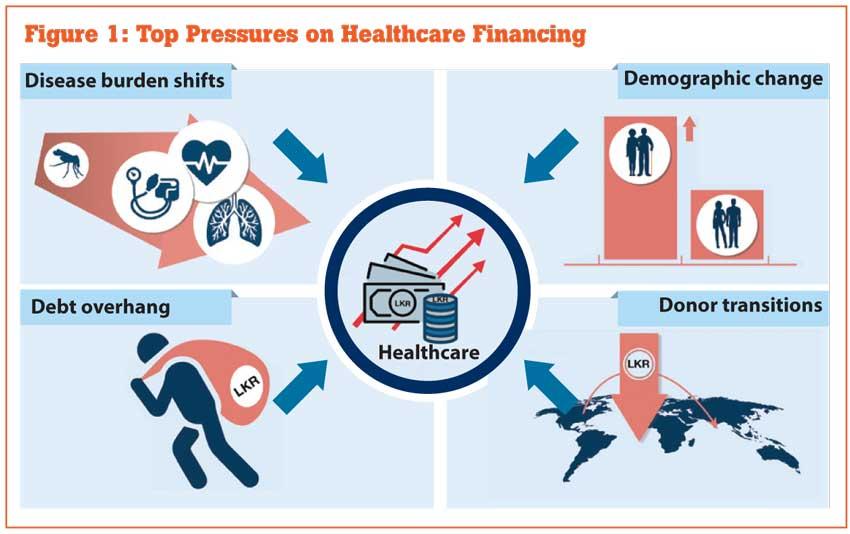
Sri Lanka’s health financing challenge: Why smarter spending is key
Sri Lanka’s public health spending as a share of GDP, at around 1.5 per cent, is low by international standards. This is compounded by inefficiencies in fund administration and allocation. A related problem is the lack of a proper system to forecast financial...
Casual workers clamor for better insurance coverage
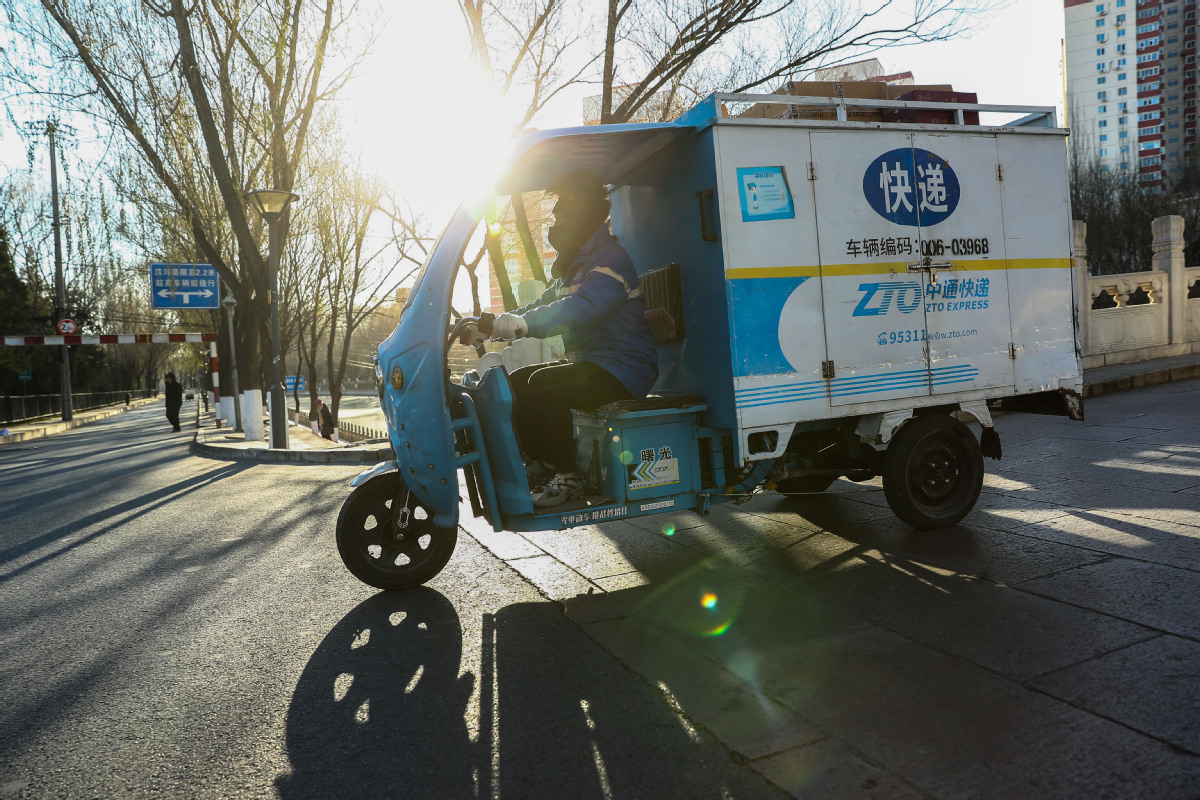
The lackluster insurance coverage of casual workers attracted the attention of Premier Li Keqiang during the annual gathering of the nation's highest legislative body in March. Without work injury insurance, casual workers who suffer injuries face an uphill...

Medical insurance to be expanded for family use
China has expanded medical insurance accounts to cover their immediate family members: spouses, parents, and children. They will be able to use the personal account of the insured. Previously, only insured employees can use their personal accounts to...

Mitigating financial risk under national health insurance: Changes in Integrated Shield Plan
There is an ongoing debate on recent changes to the national health insurance, Medishield life that covers all Singaporeans and permanent residents paying for large medical bills if they stay in designated wards of government-run...

Public-Private Sector partnership in Philippines leads to immunization programme success
On April 30, The Philippine Chamber of Commerce and Industry (PCCI) and the International Chamber of Commerce (ICC) organized a Vaccine Summit that discussed the need to prepare for the next pandemic, particularly in the areas of vaccine security and...
WHO is looking for a Consultant in Health Financing
WHO published, on 05 May 2021, a request for proposals for a Consultant to work on strategic purchasing and digital technologies for health financing The Request for proposals is published on the United Nations Global Market website:...
Why PFM is Key for the Effective Roll Out of COVID-19 Vaccines
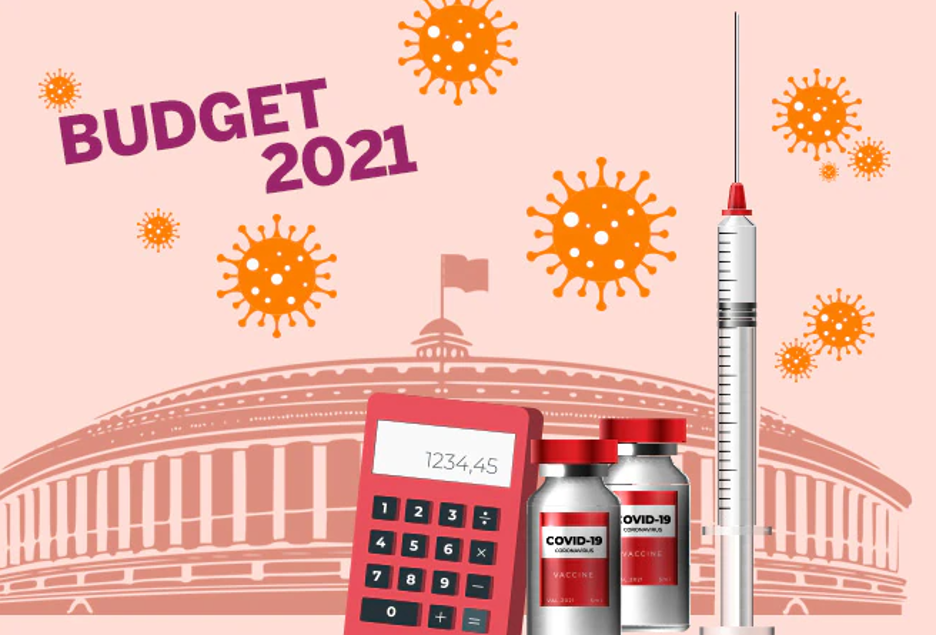
Written by Hélène Barroy, Federica Margini, Triin Habicht, Tomas Roubal, Peter Cowley and Joseph Kutzin As COVID-19 vaccines are rolled out globally, the number one question for many low-and-middle income countries is how much it is going to cost to procure...

Financial accessibility issues to COVID treatments noted in Bangladesh
A recent study conducted by the Health Economics Unit of the Bangladesh Ministry of Health highlights cost differences between treatments of COVID patients in public versus private facilities. For example, while the average cost of ICU treatment in the public sector...

Responding to post-COVID19 conditions: what role for primary health care?
The WHO European Centre for PHC in Almaty, Kazakhstan is hosting an expert discussion on COVID-19-related challenges for health systems and the foundational role of primary health care in addressing them. The next "Let's Talk Primary Health Care" event will be held...
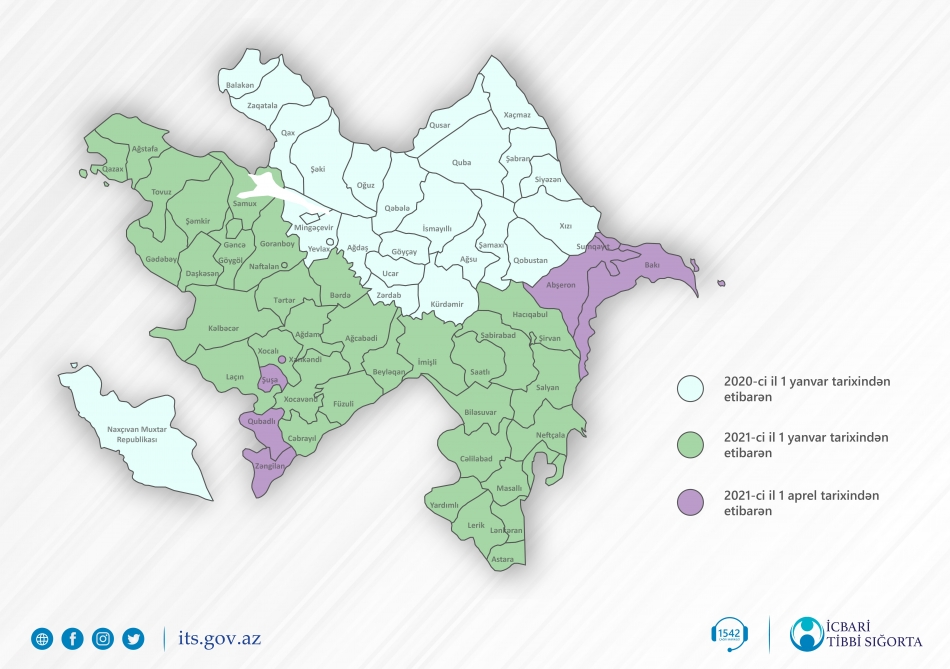
Azerbaijan’s compulsory health insurance expanded to 100% of population from April 1, 2021
Starting from April 1, 2021, compulsory health insurance covers the entire population of the country, spanning to all of its cities and regions. The “service envelope” (basic benefits package) includes primary care, emergency care, specialized outpatient care,...
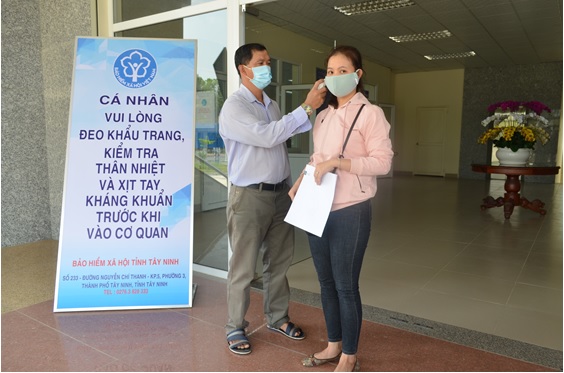
Vietnam’s social insurance industry to actively coordinate to strengthen COVID-19 epidemic prevention regarding medical care under health insurance
https://vss.gov.vn/english/news/Pages/vietnam-social-security.aspx?CateID=198&ItemID=9800
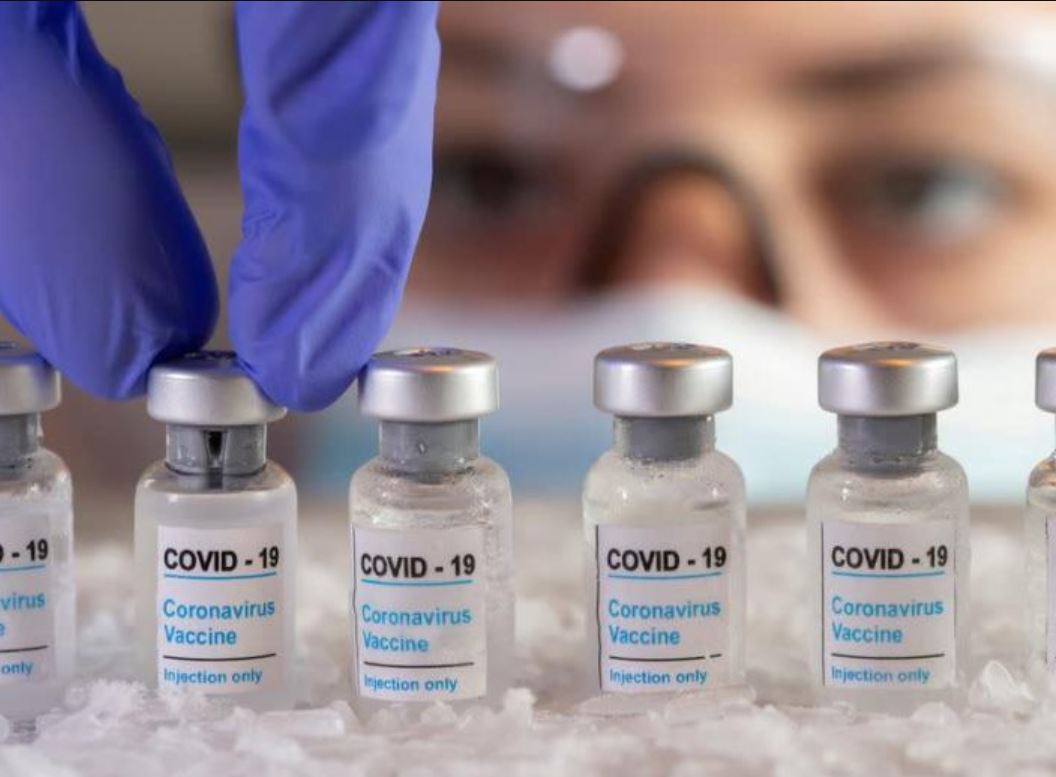
Malaysia Taps Funds from Oil and Gas Contributions to Pay for COVID-19 Vaccine Procurement
Malaysia's government enacted a new emergency law allowing it to use funds derived from oil and gas contributions to pay for vaccine procurement, as it looks to ramp up its COVID-19 vaccination programme. The trust fund takes contributions from state...
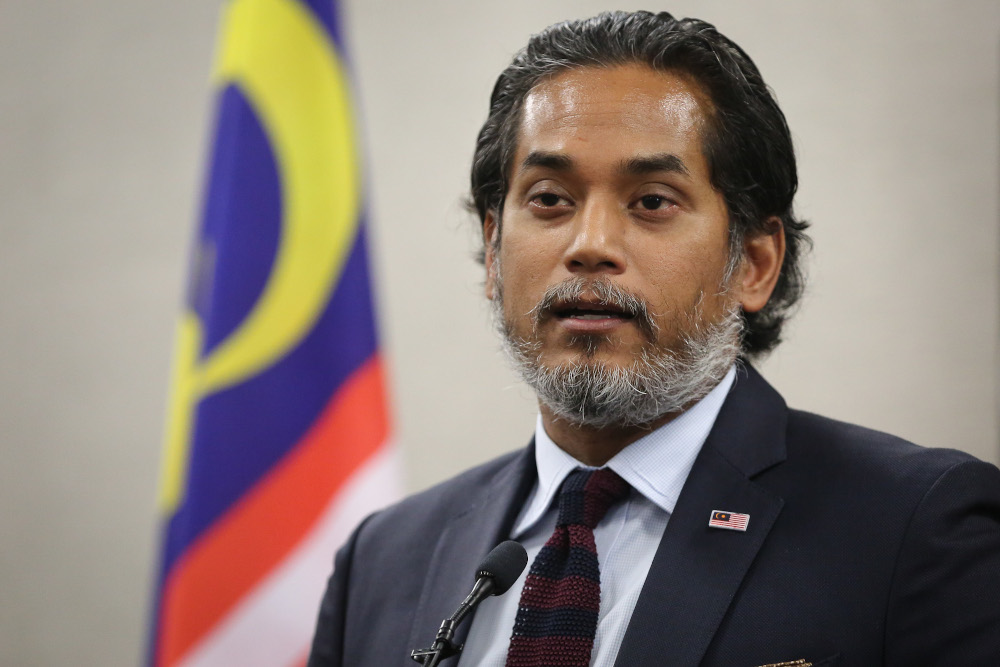
Malaysia needs supplementary fund allocation as Covid-19 Vaccine and operating costs increase
An additional RM 2 Billion allocation is needed for the National Covid-19 Immunization Programme (NCIP) due to increased costs to procure the Covid-19 vaccine and the costs to administer the programme. Programme coordinating Minister Khairy Jamaluddin said that taking...
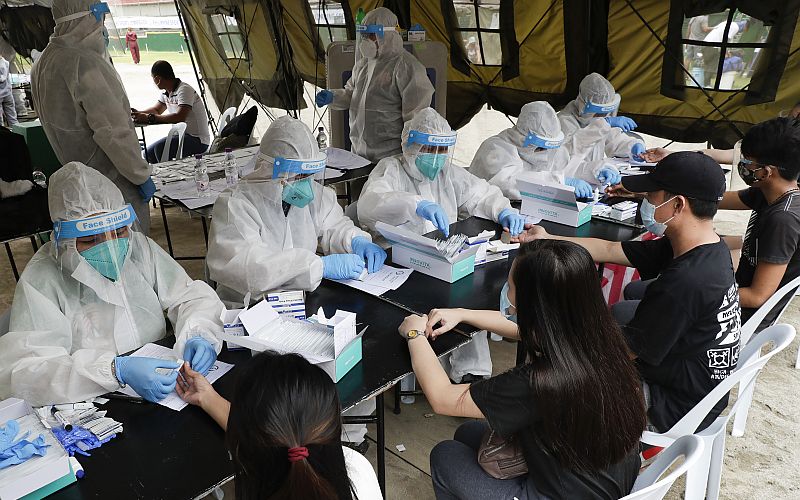
Health Protection extended to people working amid high risk of contracting COVID-19
The Department of Labor and Employment said COVID-19 has been included in the list of occupational and work-related diseases. This means workers who were infected by the virus could receive compensation via the Employees' Compensation Commission (ECC) provided they...
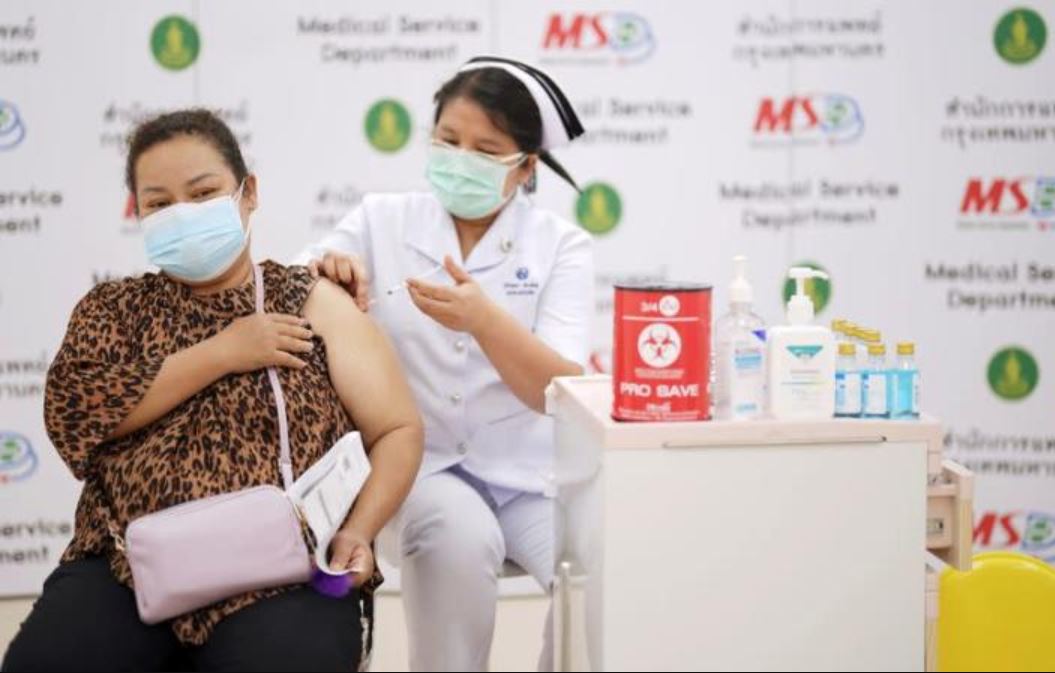
NHSO to provide financial protection against potential adverse health impact from COVID 19 vaccine
The National Health Security Office (NHSO) is preparing to roll out assistance to people who have suffered side effects from Covid-19 vaccines. While vaccines could help decrease the number of Covid-19 patients in hospitals and ease the burden on the...