A research article published in the Health Science Reports of the Wiley online Library on the government of Iran’s efforts towards reducing catastrophic health expenditure for its population. Abstract One of the goals of the Islamic Republic of Iran is to reduce the...
Addressing persistent inequalities in service coverage and deteriorating financial protection in health
WHO technical brief on health financing for universal health coverage through primary health care Since 2015, the United Nations Sustainable Development Goals (SDGs) have driven efforts to improve health protection and care across the world. But while the health...
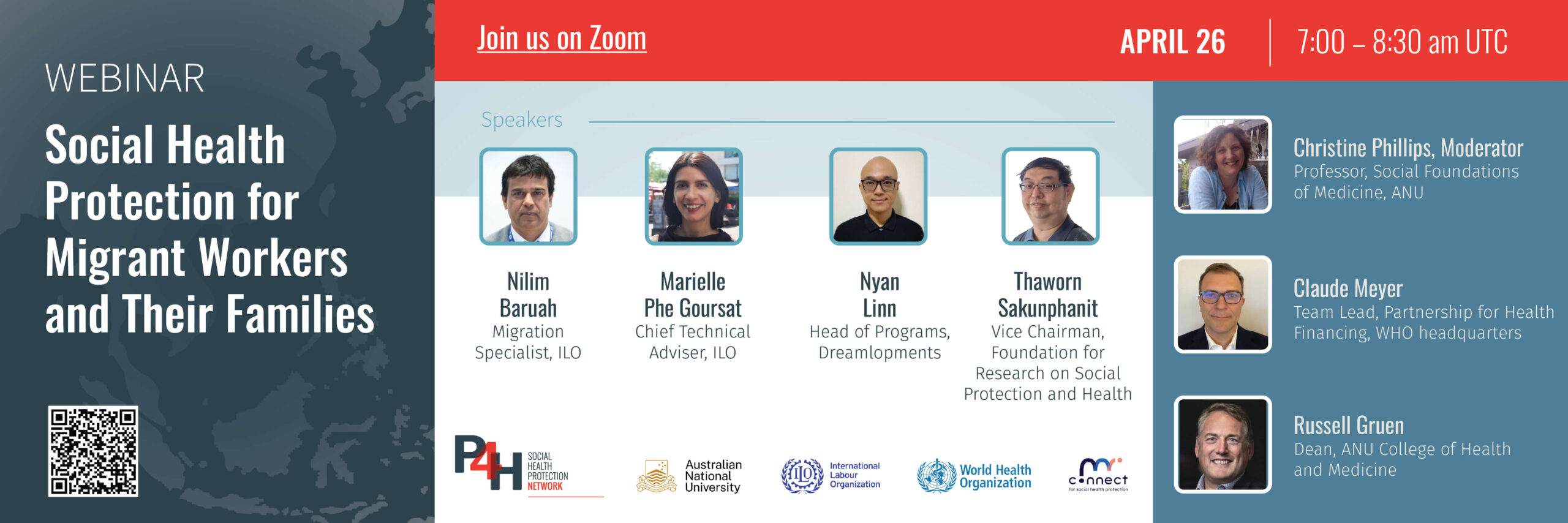
Executive Summary: Webinar 1 of the four-webinar series on Social Health Protection for Migrant Workers and Their Families
The P4H Network and Australian National University (ANU) initiated a four-part webinar series entitled Social Health Protection for Migrant Workers and Their Families that is scheduled to run through the summer of 2023. P4H and its partners strive to enable migrant...
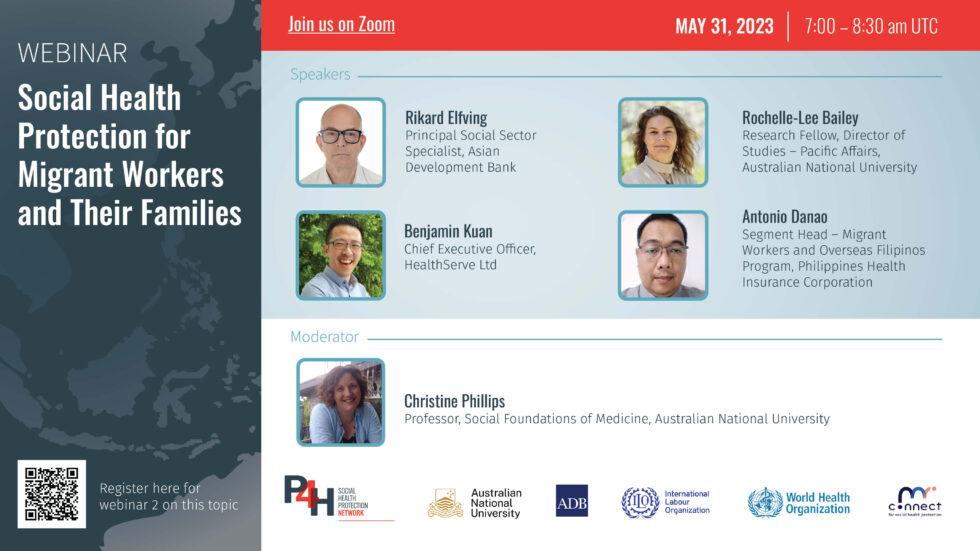
Webinar 2 – Social Health Protection for Migrant Workers and Their Families
The P4H Network and Australian National University (ANU) initiated a four-part webinar series titled Social Health Protection for Migrant Workers and Their Families that is scheduled to run through the summer of 2023. The webinar series promotes knowledge sharing and...
Cameroun-Projet Backup Santé : Rapport final
Le Ministère de la Santé a réalisé en 2020, une étude pour évaluer les politiques relatives au genre dans la santé du Cameroun, en collaboration avec le P4H et la GIZ. L’objectif de l‟étude était d‟analyser la transformation sociale favorable aux femmes à travers le processus de budgétisation en utilisant la méthodologie à l‟aide de l‟outil « Equity Budgeting Tool ».Selon les résultats de cette étude, des discriminations de genre persistent dans le secteur de la santé, même si des efforts sont déployés pour les réduire. Les inégalités sont visibles au niveau de l‟accessibilité à certains soins de santé pour les femmes et dans certains groupes spécifiques en milieu rural où se pose avec acuité la question de disponibilité des médicaments et structures de santé. Ainsi, la persistance de ces inégalités contredit les discours politiques et les stratégies nationales qui énoncent l‟élimination des inégalités liées au genre.
C‟est dans ce contexte que le Projet BACKUP SANTE de la GIZ, a commandité la présente étude qui se situe dans la continuité des initiatives antérieures mises en œuvre, afin de mieux comprendre les enjeux genre dans le financement de la santé, afin d‟atteindre les objectifs de la Couverture Santé Universelle.
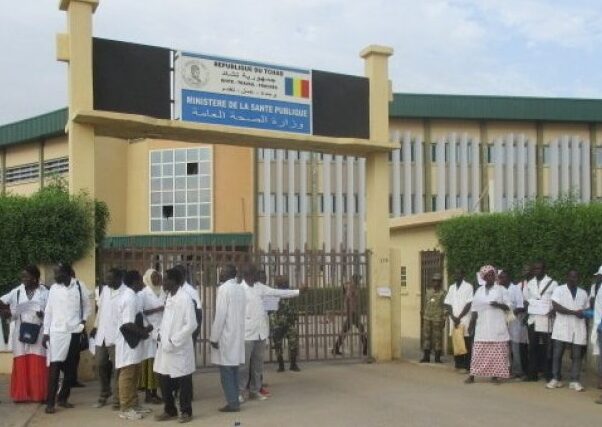
TCHAD : PLAN NATIONAL DE DEVELOPPEMENT SANITAIRE (PNDS 4) 2022 – 2030
Global spending on health: rising to the pandemic’s challenges – Virtual launch of the 2022 Global Health Expenditure Report
This year’s Global Health Expenditure Report: Rising to the Pandemic's Challenges reveals how health expenditure was impacted during 2020, the first year of the COVID-19 pandemic. The report explores: Whether the health spending patterns by governments, households,...
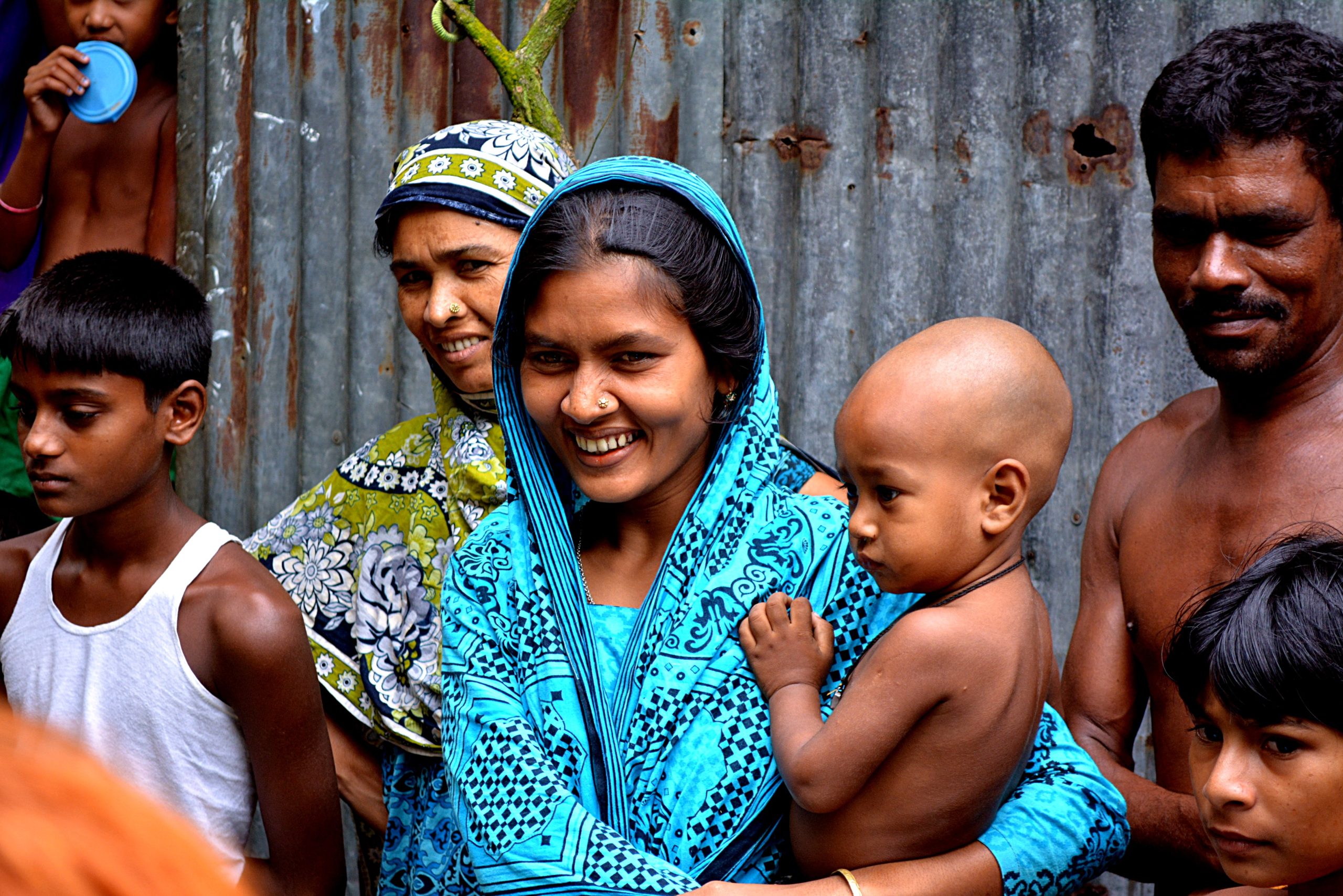
Forgone healthcare and financial burden due to out-of-pocket payments in Bangladesh
The health financing system in Bangladesh is underfunded, forcing the households to incur OOPE to avail health care services. As a result, around 16% households incurred financial catastrophe in 2011, 5% non-poor households became poor, and 7% of Bangladeshi...
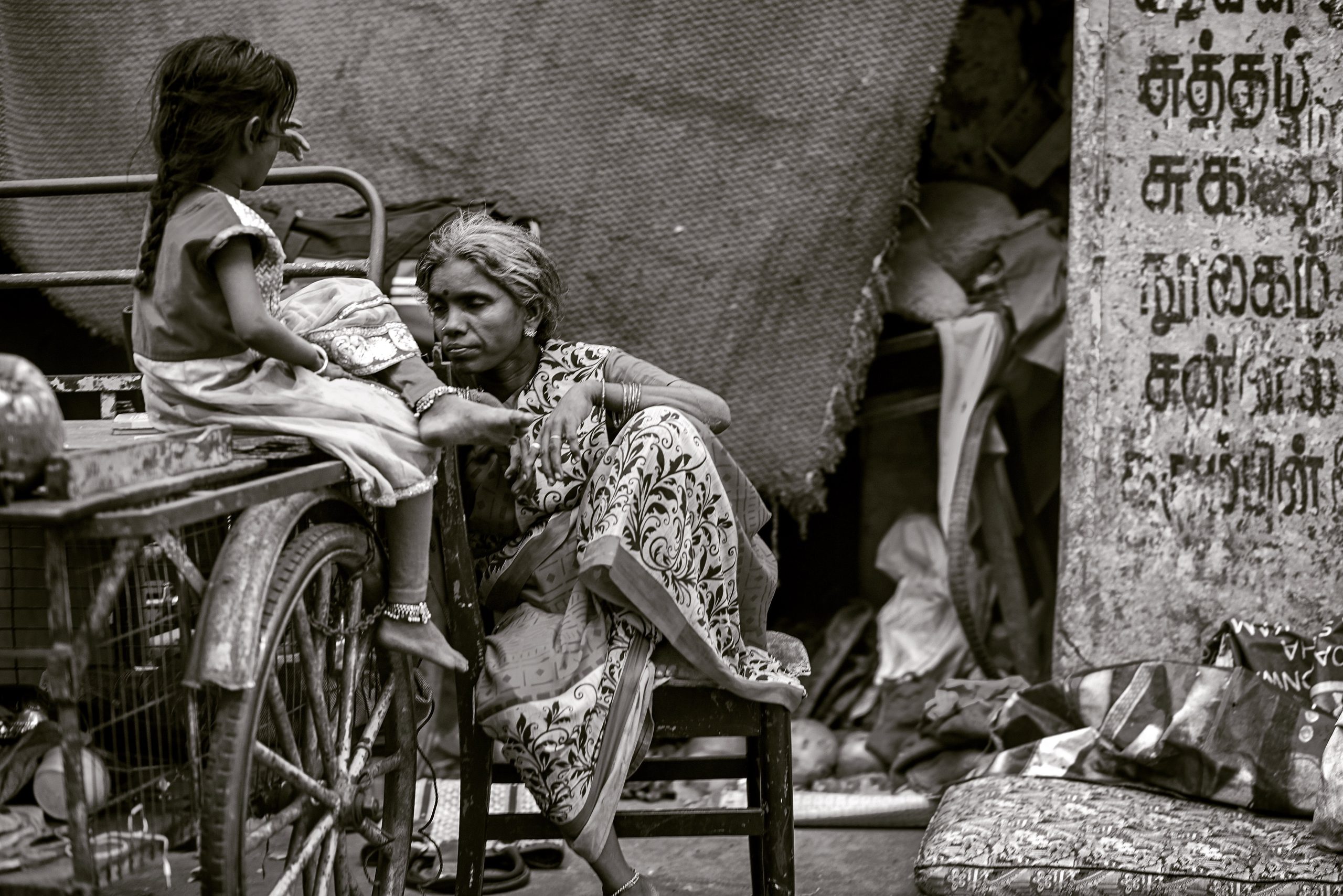
Catastrophic health spending among older adults in India
Deprivation among the aged population and its implication on households is a global concern due to the unprecedented rise in the geriatric population. Old age is a period of many vulnerabilities, falling health, retirement from the workforce, no/reduced income,...
WHO launches a Health Financing Progress Matrix Online Network
In June 2022, the World Health Organization (WHO) held a training on the Health Financing Progress Matrix (HFPM) in Zimbabwe which convened twelve countries in east and Southern Africa. The meeting ended with a strong call to establish a network to continue the rich...
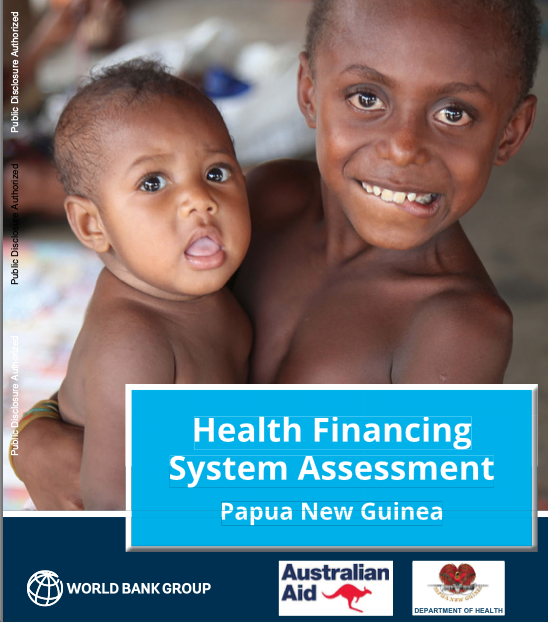
A health financing system assessment for Papua New Guinea is available
This assessment evaluates the financial and institutional sustainability of health financing in Papua New Guinea.
The National Strategy for Health Sector in Jordan
This document presents the key features of the national strategy of health sector in Jordan for the years 2015 - 2019 based on the Higher Health Council Law No. 9 of 1999. It is in line with the objectives set out in the National Agenda for Jordan and "We are all...
New document on National Health Accounts for Fiji is now available
The National Health Accounts report for Fiji provides health expenditures information for the period of 2011-2015 and tracks health expenditures from financing sources to health services and beneficiaries. An average of 9% of total government expenditure funded the...
Fiji Health Accounts 2011-2015
This National Health Accounts report for Fiji provides health expenditures information for the period of 2011-2015 and tracks health expenditures from financing sources to health services and beneficiaries. An average of 9% of total government expenditure funded the...
Sierra Leone is the first country to publish a report based on the WHO Health Financing Progress Matrix
In 2019, the WHO developed a Health Financing Progress Matrix for countries to assess how far they have come in preparing their health financing systems to achieve financial risk protection and attain progress towards Universal Health Coverage (UHC). Sierra Leone...