Health financing is an important function of the health system and plays a key role in enabling progress towards Universal Health Coverage by improving effective service coverage and ensuring adequate financial protection from impoverishment arising from health...
A new document on the transition to Program Based Budgeting and its implication on health has been posted on the Uganda country page
The report describes Uganda's transition process to programme-based budget, as a means to better align with public policy priorities and enhance accountability and transparency. It also discusses what the implications are for the health sector. The report...
NITI Aayog suggests extending PMJAY coverage to ‘missing middle’
In a NITI Aayog report titled ‘Health Insurance for India’s Missing Middle’, the institution highlights that 30% of the population is devoid of health insurance, often termed as the 'missing middle' and has suggested three models for increasing the health insurance...
Intersection of class, caste, gender and unmet healthcare needs in India: Implications for health policy
This study identifies the factors contributing to unmet healthcare need and investigates the intersectionality of class with caste and gender in determining unmet need. The analysis informs that class inequality is fundamental to having unmet needs with the limited...
Political economy and the pursuit of Universal Health Coverage (UHC) in Ghana: a case study of the National Health Insurance Scheme (NHIS).
In this study, the authors document the political pathway to the implementation of the NHIS in Ghana as well as the continuous political will supporting the scheme. The political structure as well as advocacy strength play a critical role in setting budgets for...
Ghana to establish epidemics fund to address financing challenges
Discussions to set up a dedicated fund for epidemics took centre stage at a forum in Accra to collate input for the 2022 budget statement and economic policy. Proponents said the outbreak of the COVID-19 pandemic had made such a fund more relevant, hence the need for...
The political economy of health financing reform in Malaysia
There is growing evidence that political economy factors are important for adopting health financing reforms, but there is little consensus about which political and institutional factors determine the results of reform proposals. This study examined efforts at health...
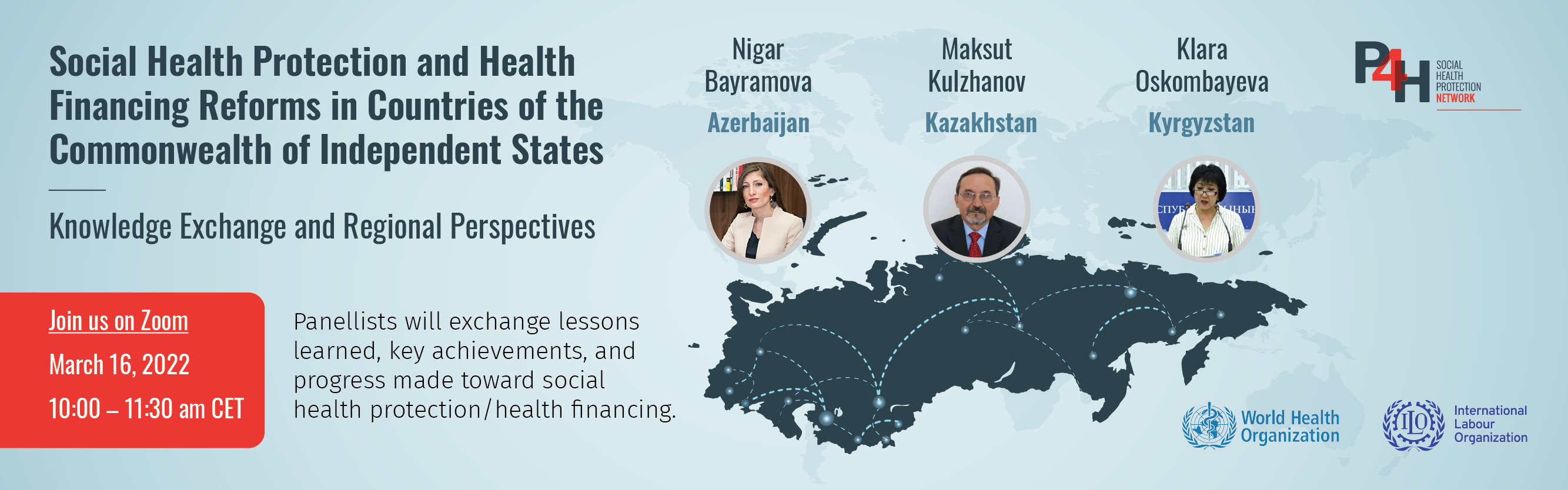
WEBINAR #1 on Social Health Protection and Health Financing Reforms in the CIS
Join us as at we exchange knowledge and regional perspectives of Social health protection and health financing reforms in Commonwealth of Independent States. Our panelists will exchange lessons learned, key achievements, and progress made toward social health...
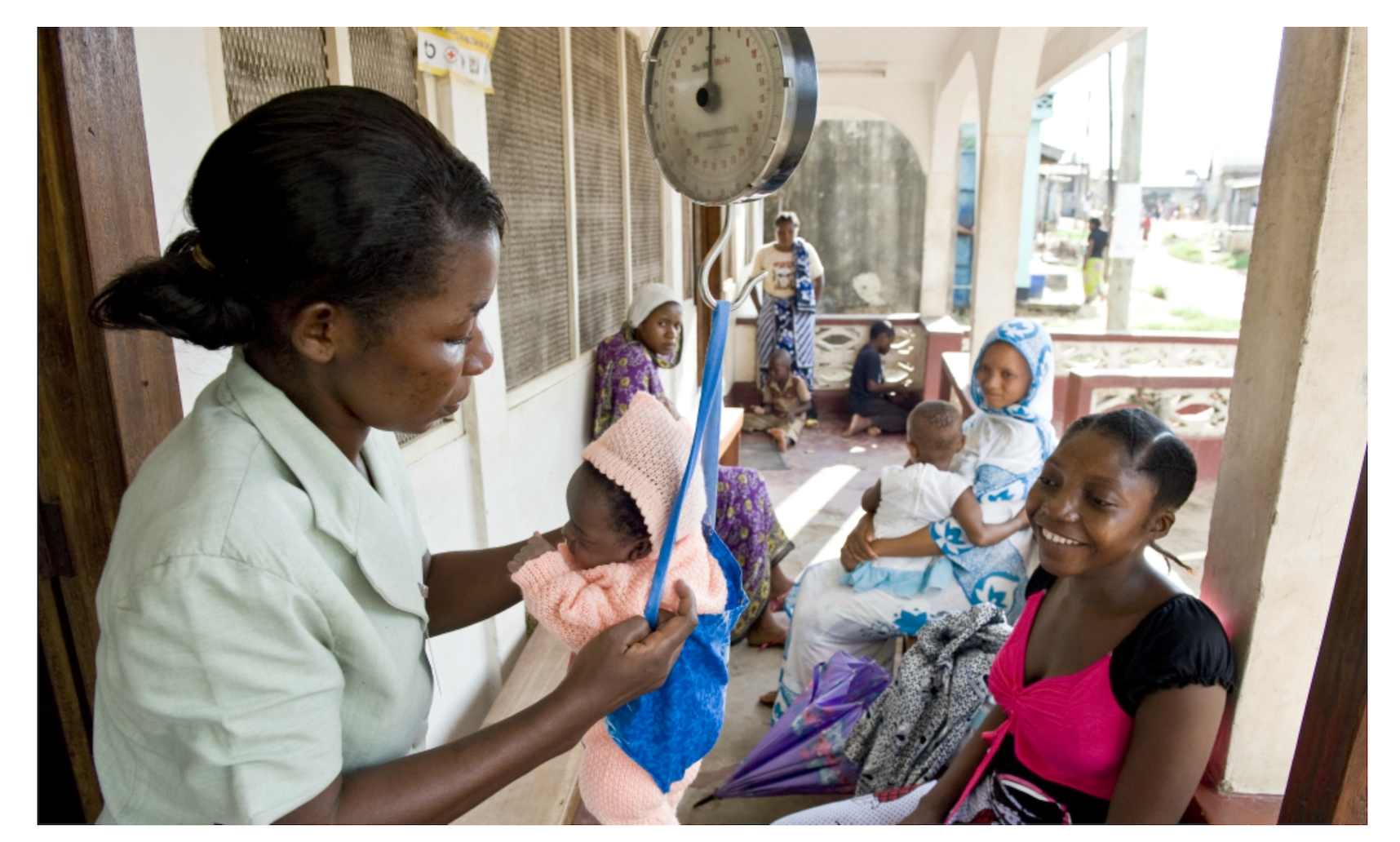
Delivering a comprehensive and sustainable Universal Health Insurance (UHI) in the autonomous region of Zanzibar (Tanzania)
To strengthen the healthcare system of Zanzibar, the government of Zanzibar is in the process of introducing Universal Health Insurance (UHI) that over time can cover the entire population, as the main social health protection and financing scheme in the country. The...
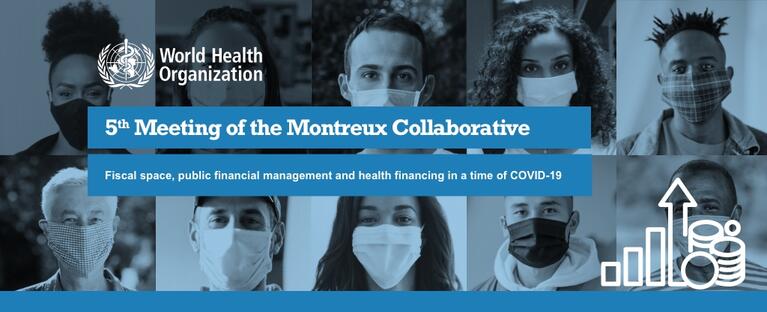
Follow-up to the 5th WHO Montreux Collaborative meeting
Following up to the 5th WHO Montreux Collaborative meeting, a meeting report which provides an overview of the agenda, speakers, and detailed summaries of the technical sessions including the Q&A discussions was recently published. The draft meeting...
Healthcare financing in Egypt: a systematic literature review
The Egyptian healthcare system has multiple stakeholders, including a wide range of public and private healthcare providers and several financing agents. This study sheds light on the healthcare system’s financing mechanisms and the flow of funds in Egypt. It also...
Health financing policy reforms for Universal Health Coverage (UHC) in Eastern, Central and Southern Africa (ECSA)- Health Community Region
This research paper discusses the evolution of health financing reforms in the selected regions of Africa. From the provision of free primary health care to introduction of user fees at the point of use in response to low economic growth, large informal sector,...
WHO Country Office writes official letter to the MOH about support available through ACT-A health systems connector
A Letter to the Ministry of Health and Social Service was sent officially by the WHO Representative (WR) on support available through ACT-A health system connector. The WR (SAGOE-MOSES, Charles) addressing the letter to Executive Director MOHSS (Mr Ben Nangombe)...
Interorganizational and Intersectoral collaboration in Namibia for national budgetary dialogue
The USAID and its implementing partners were actively involved with WHO and MOHSS throughout the process of discussion on ACT-A and deciding the priorities for Namibia. UNICEF was keen to participate in the Essential health service package work. UNICEF, UNFPA, WFP and...
Namibia is developing the Terms of Reference for analytical work under ACT-A initiative
The Ministry of Health and Social Service along with the support of P4H Country Focal Person (CFP) initiated the development of TOR for analytical work under ACT-Accelerator. The TOR on 'Assessing Namibia’s Essential Health Service Package' is being initiated with...