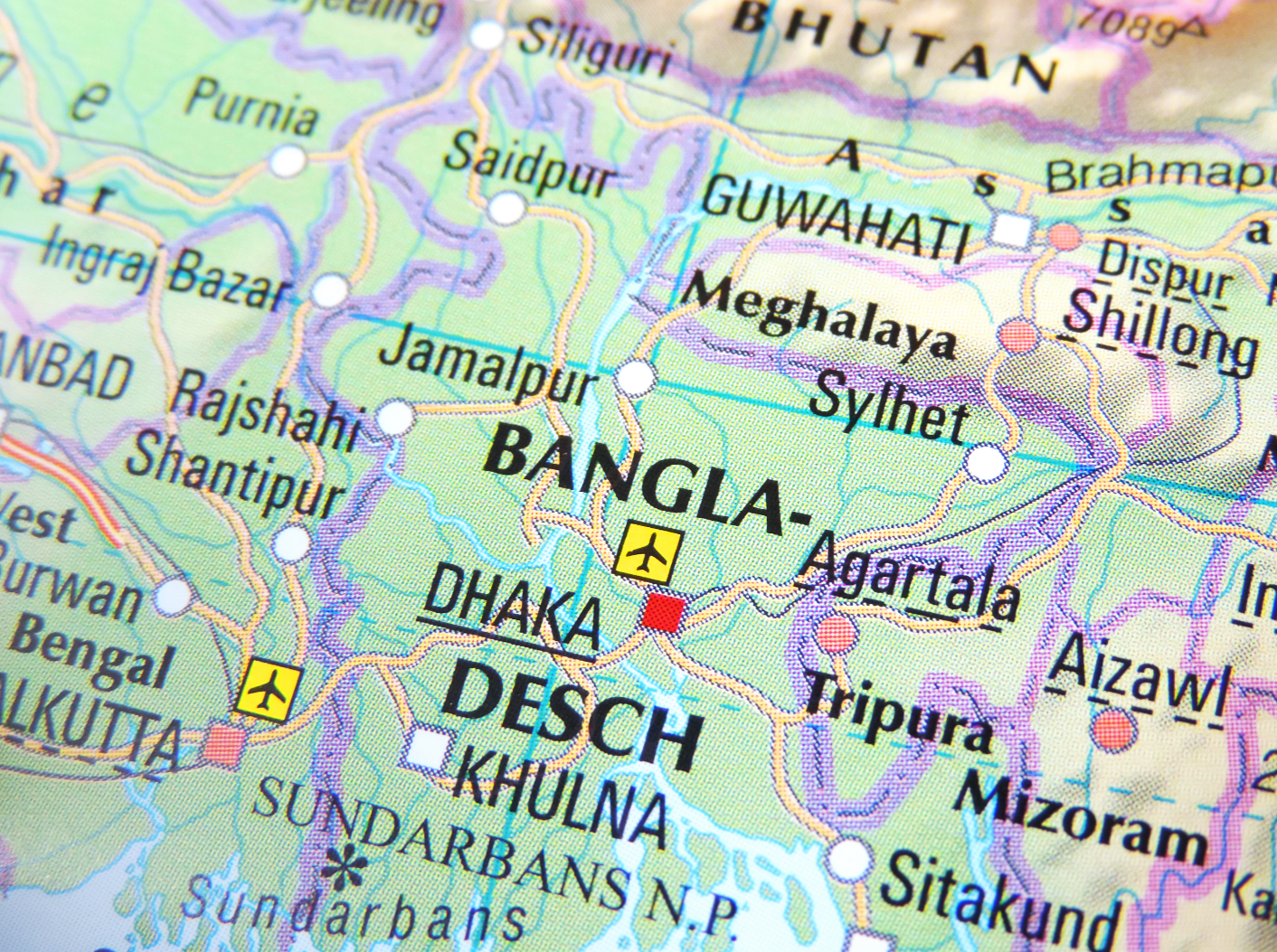
Out-of-pocket (OOP) payment is the major source of finance for healthcare in Bangladesh, and the share of OOP expenditure has increased significantly. This study aimed to capture the self-reported illnesses among urban citizens and to identify whether and to what...
Singapore approves S$6 billion to continuously support the COVID-19 public health expenditure
Singapore approves S$6 billion from past reserves to fund a “multi-pronged approach”, aiming to continue supporting COVID-19 public health expenditure for financial year 2022. Despite preparing for a new normal transition, Singapore still considers that it is not yet...
New document on out-of-pocket payment for healthcare among urban citizens in Bangladesh is now available
Out-of-pocket (OOP) payment is the major source of finance for healthcare in Bangladesh, and the share of OOP expenditure has increased significantly. This study aimed to capture the self-reported illnesses among urban citizens and to identify whether and to what...
Japan pledges $500 million for global vaccine-sharing efforts
Japan is one of the major contributors in funding initiatives for vaccines. Japan will contribute up to $500 million to U.N.-backed efforts to ensure equal access to COVID-19 vaccines especially among lower-income countries. The collaboration is co-hosted by Gavi, a...
Transition to program budgeting in Uganda: status of the reform and preliminary lessons for health
To make sustainable progress towards universal health coverage (UHC), public health financing is very critical. Uganda has taken major budgetary reforms to optimize budget planning, transparency, and accountability since the early 2000s. The two major reforms over...
A new document on the transition to Program Based Budgeting and its implication on health has been posted on the Uganda country page
The report describes Uganda's transition process to programme-based budget, as a means to better align with public policy priorities and enhance accountability and transparency. It also discusses what the implications are for the health sector. The report...
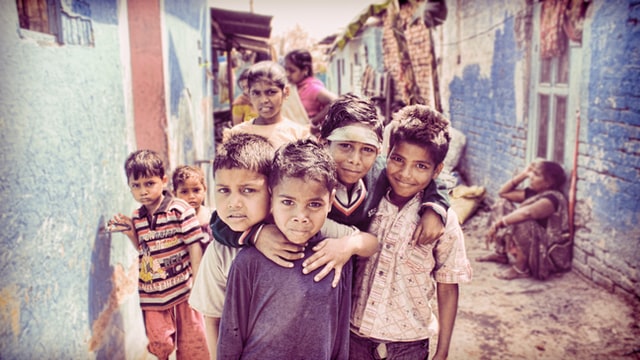
How philanthropic collaboratives can help the vulnerable
Since the pandemic, the number of India’s philanthropic collaboratives has more than doubled. These collaboratives mobilise funding from foreign and domestic philanthropy, high-net-worth individuals, corporate social responsibility funders, bilateral and multilateral...
The government of Eswatini urged to introduce COVID-19 to increase fiscal space
The COVID-19 pandemic came with a lot of uncertainties and has had a significant impact on not only the health sector but also on the economy especially in low and middle income countries. However, it also presented an opportunity for governments to be innovative in...
Ghana to establish epidemics fund to address financing challenges
Discussions to set up a dedicated fund for epidemics took centre stage at a forum in Accra to collate input for the 2022 budget statement and economic policy. Proponents said the outbreak of the COVID-19 pandemic had made such a fund more relevant, hence the need for...
Budget to finance Social Health Insurance benefits is defined for 2022
As part of regular communication with the public, the Social Health Insurance Fund of Kazakhstan publishes explanatory materials for the purpose of awareness building. A ecent publication reminds readers that mandatory social health insurance system was...
Co-financing mandatory health insurance in Azerbaijan postponed for another year
The introduction of co-financing within the mandatory health insurance in Azerbaijan has been postponed for another year, Report news agency informs. Originally, it was planned to introduce co-financing starting from January 1, 2022. Examples when...
$663mln spent to combat COVID-19 pandemic in Bahrain
Bahrain spent an estimated BD250 million on healthcare measures related to the coronavirus (Covid-19) in the last two years. It includes the amount for treatment, testing, facemasks, gloves and vaccines among others. The country is working towards achieving the...
How costly is the first prenatal clinic visit? Analysis of out-of-pocket expenditure in rural Sri Lanka – a country with free maternal health care
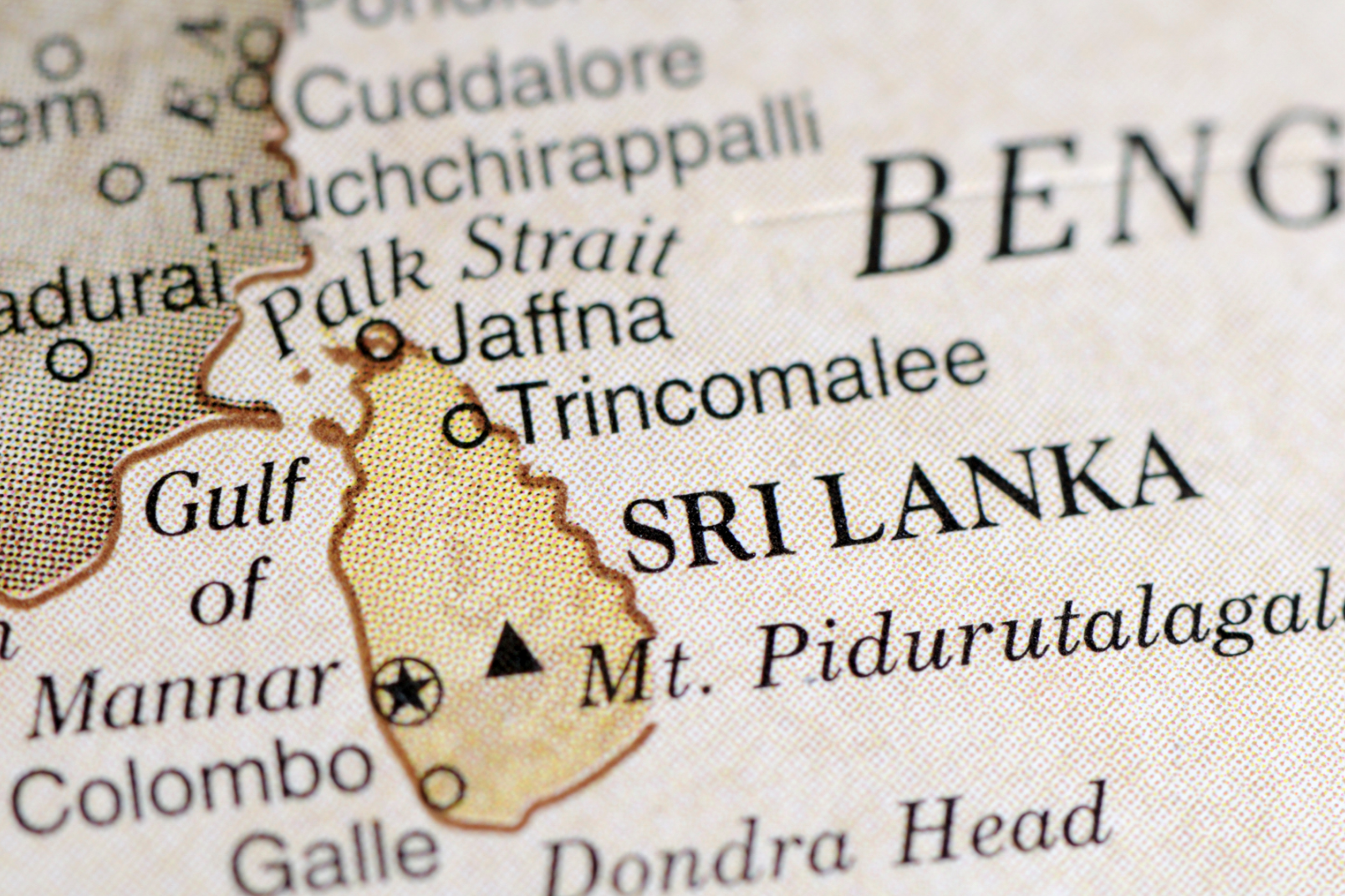
Sri Lanka provides health care service free-of-charge, including maternal health care. This study aimed to examine the magnitude of and factors associated with out-of-pocket expenditure (OOPs) during the first prenatal clinic visit by pregnant women in Anuradhapura...
New document on analysis of out-of-pocket expenditure in rural Sri Lanka is now available
Sri Lanka provides health care service free-of-charge, including maternal health care. This study aimed to examine the magnitude of and factors associated with out-of-pocket expenditure (OOPs) during the first prenatal clinic visit by pregnant women in Anuradhapura...
Delivering a comprehensive and sustainable Universal Health Insurance (UHI) in the autonomous region of Zanzibar (Tanzania)
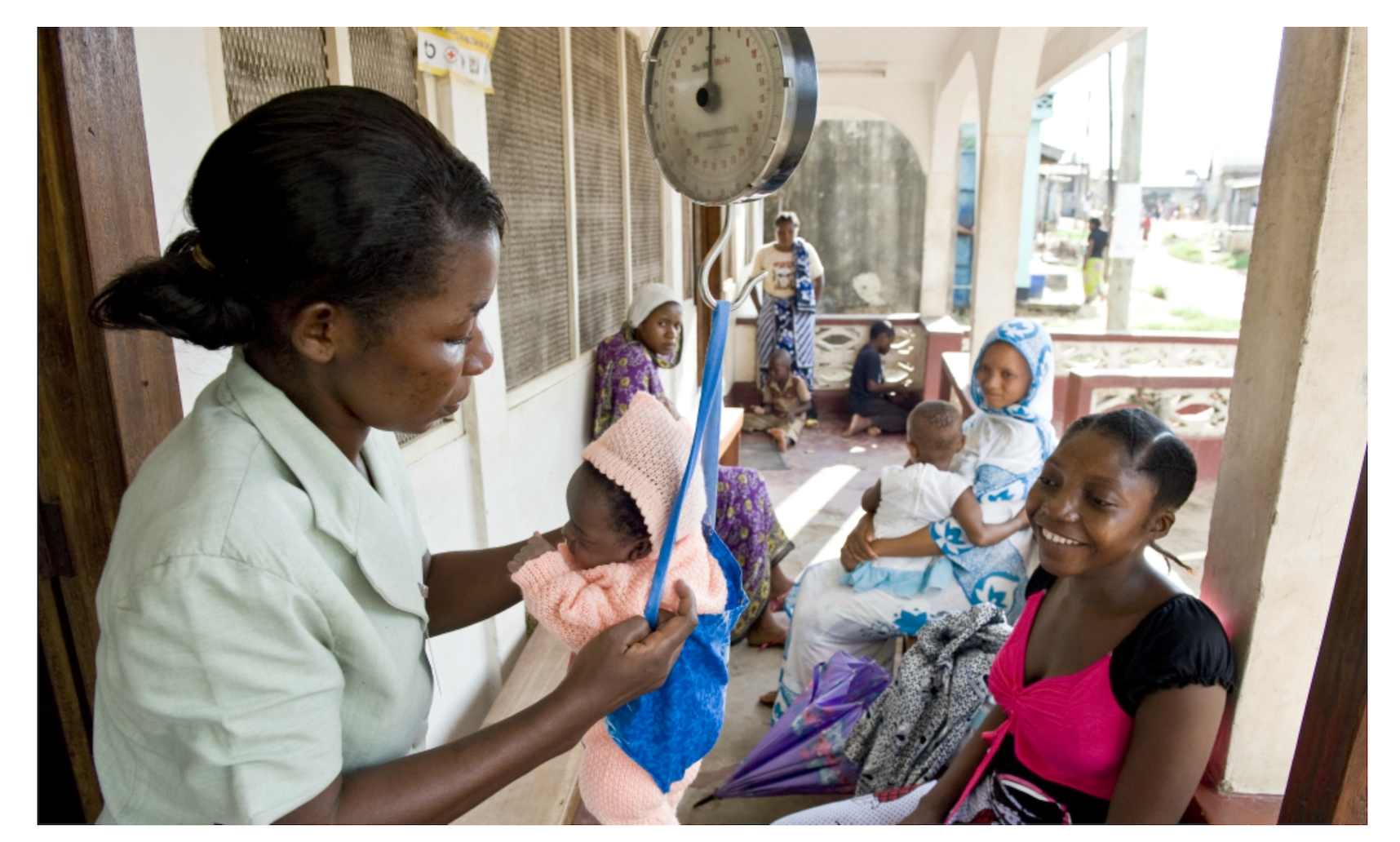
To strengthen the healthcare system of Zanzibar, the government of Zanzibar is in the process of introducing Universal Health Insurance (UHI) that over time can cover the entire population, as the main social health protection and financing scheme in the country. The...