https://www.worldbank.org/en/news/feature/2021/03/01/vietnams-rural-populace-enjoys-better-healthcare-services

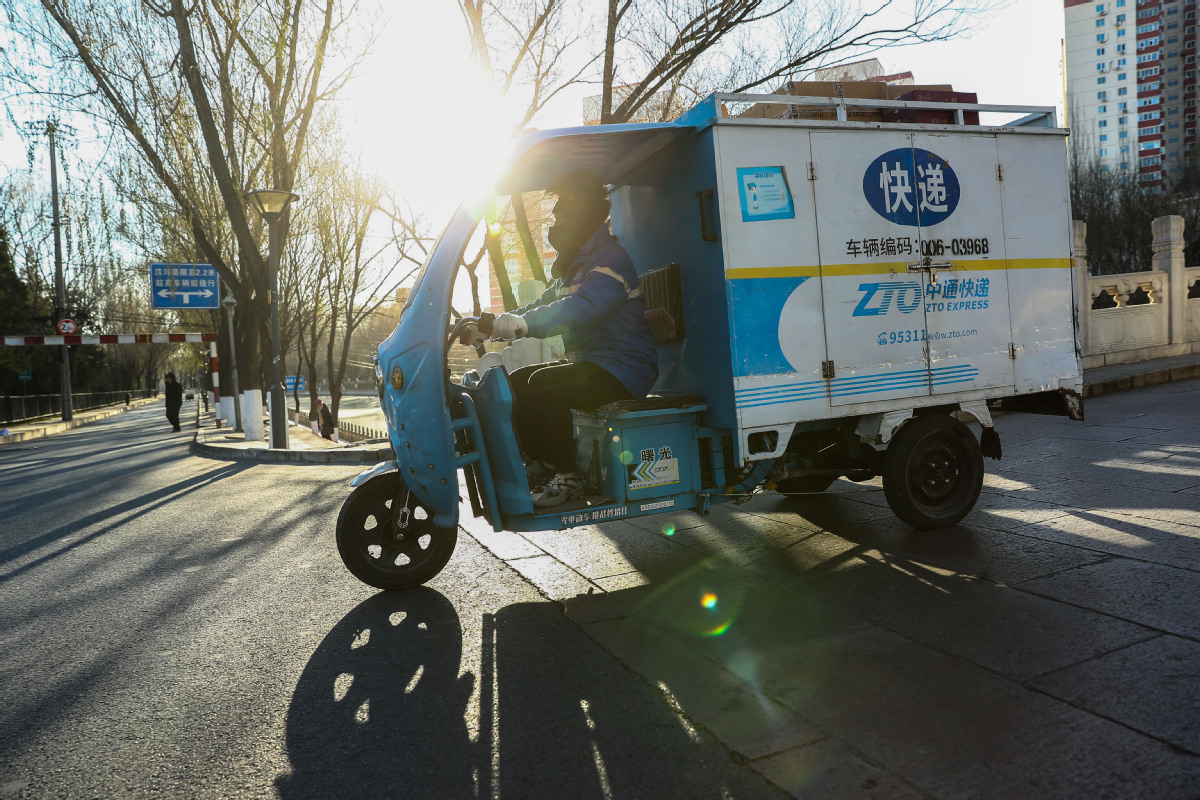
The lackluster insurance coverage of casual workers attracted the attention of Premier Li Keqiang during the annual gathering of the nation's highest legislative body in March. Without work injury insurance, casual workers who suffer injuries face an uphill...
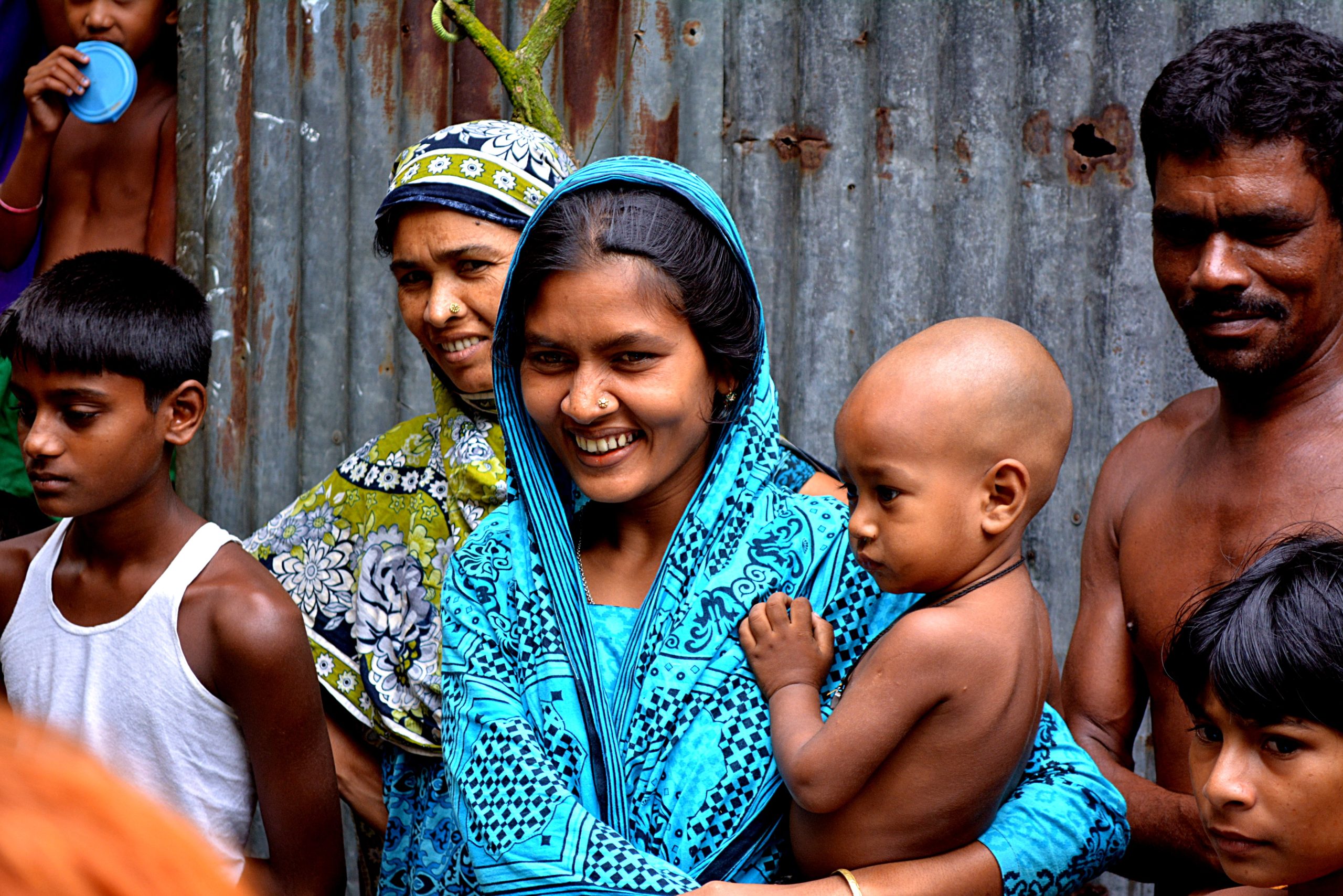
A recent study conducted by the Health Economics Unit of the Bangladesh Ministry of Health highlights cost differences between treatments of COVID patients in public versus private facilities. For example, while the average cost of ICU treatment in the public sector...
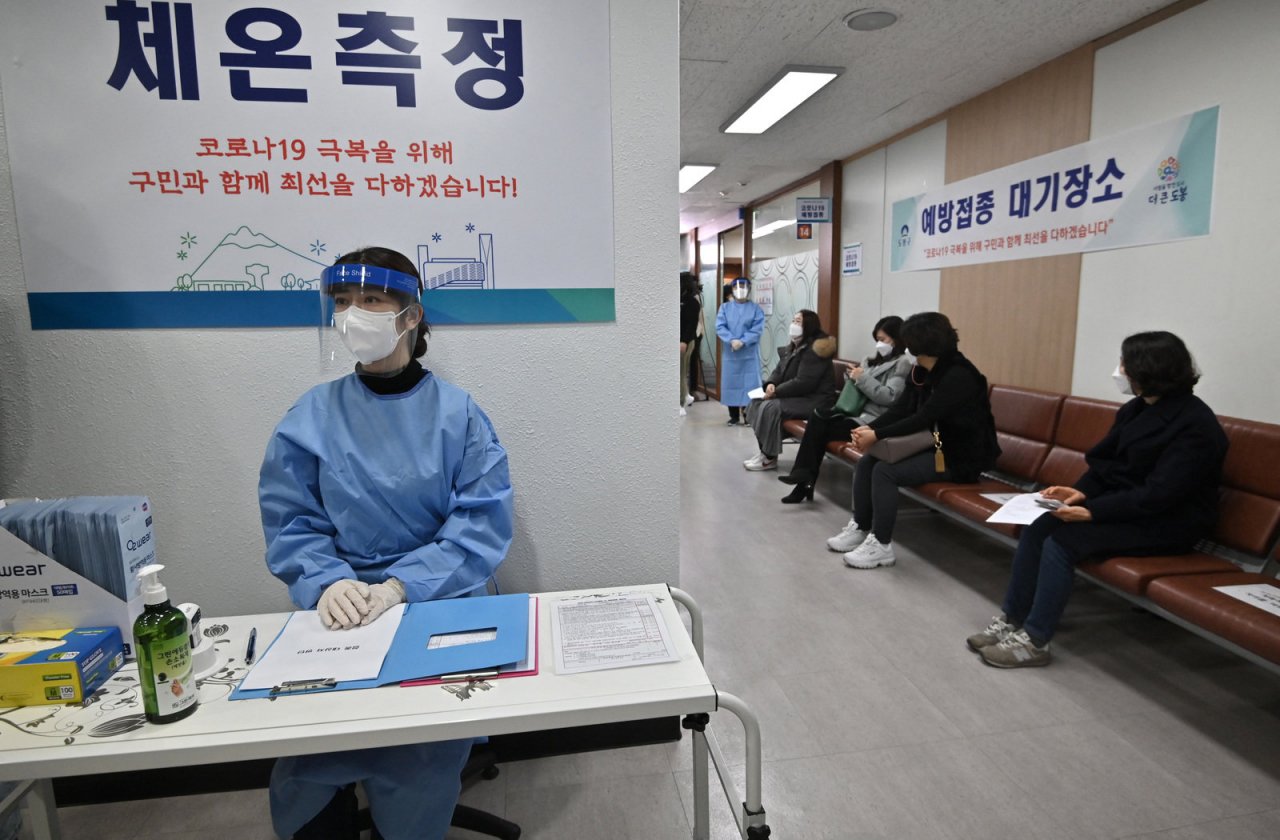
Written by Eunkyoung Kim and Tomas Roubal The Republic of Korea (ROK) has been regarded as one of successful countries in their response to coronavirus disease 2019 (COVID-19). As of 28 April 2021, ROK has reported 120,673 cumulative confirmed COVID-19 cases...
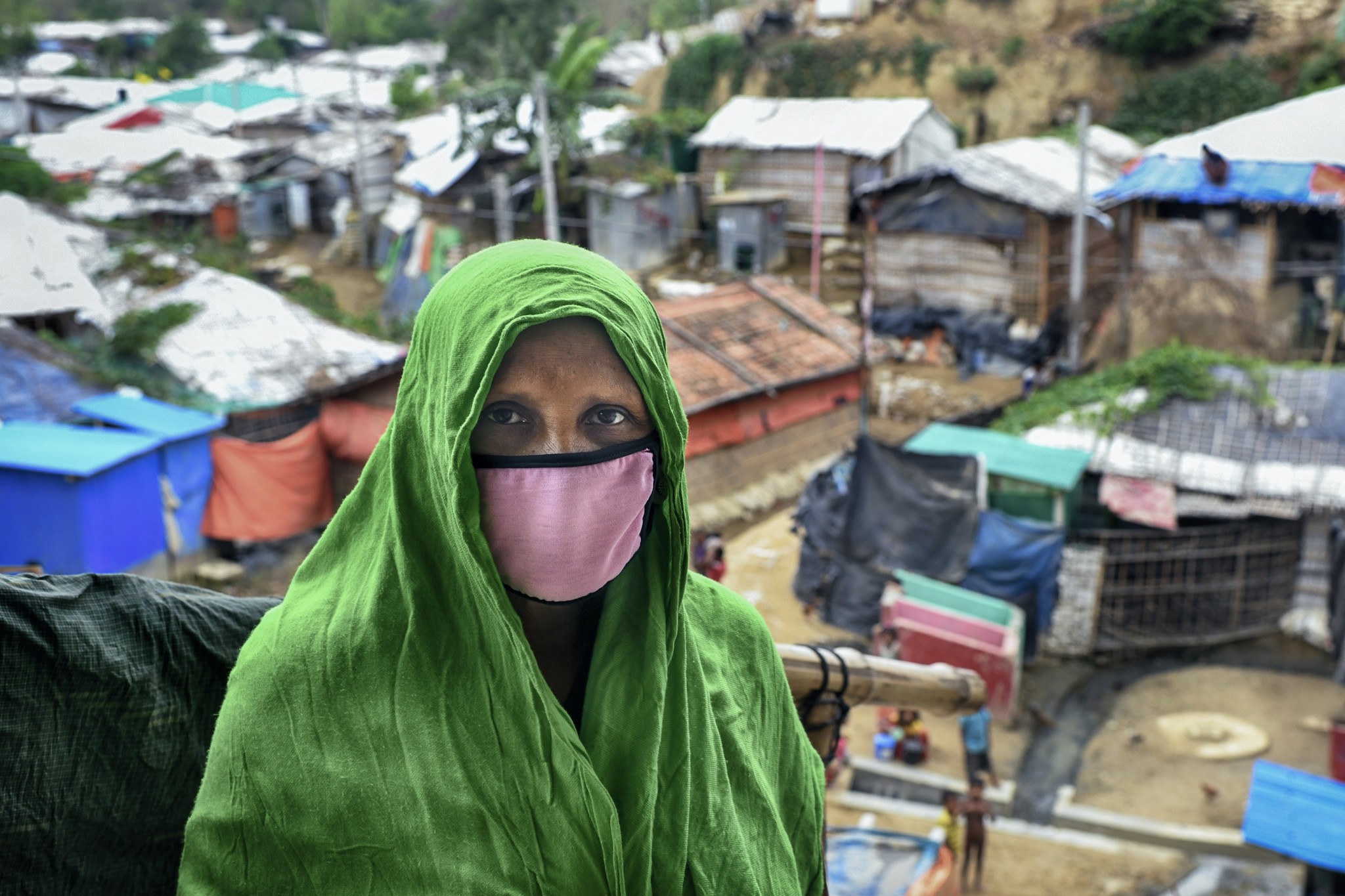
The world's COVID-19 response has been unsettling especially regarding people living in informal settlements, migrants, refugees, and other ultra-vulnerable populations. It reiterates serious concerns about health inequality, as well as people lacking human rights and...
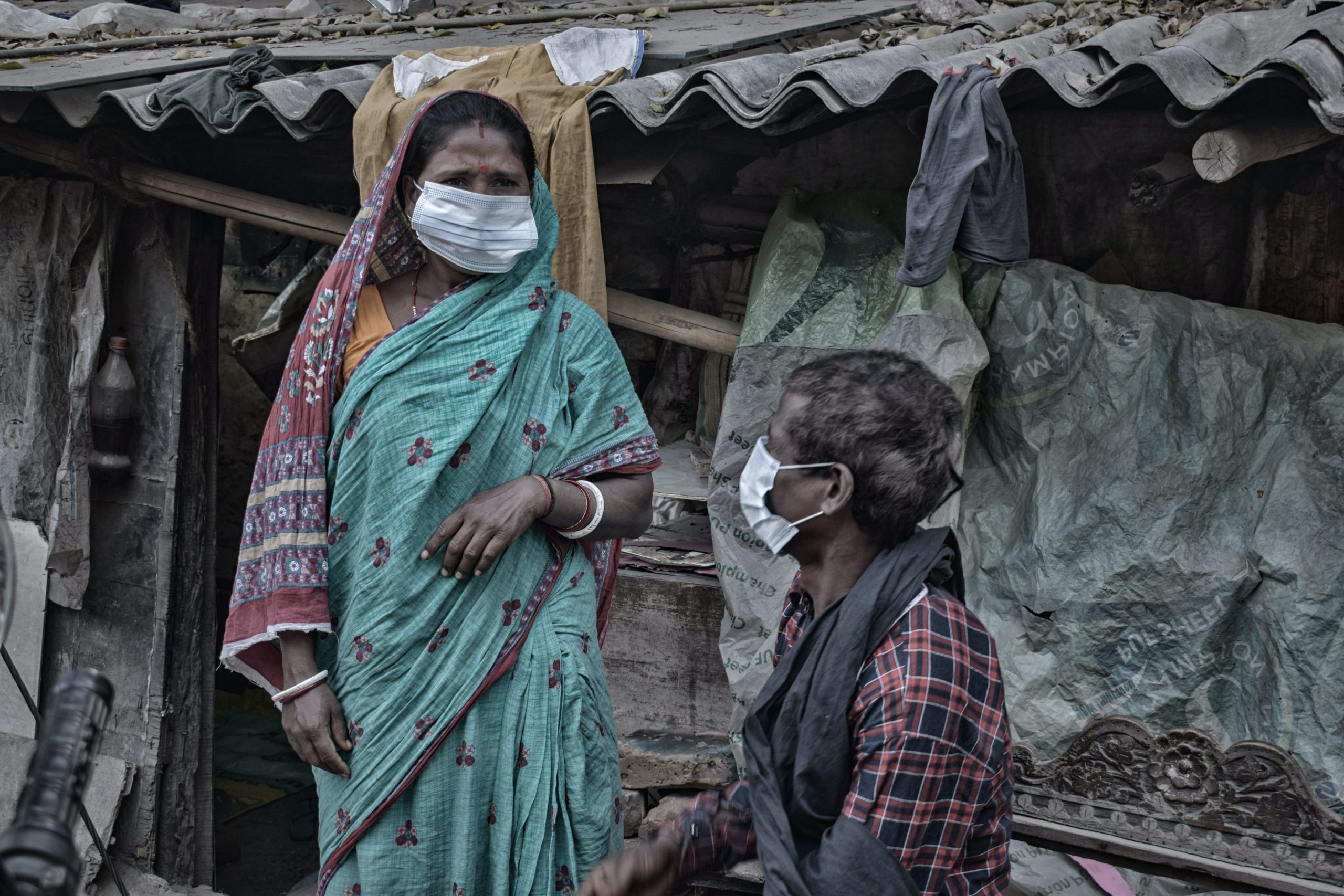
The financial burden from health expenditure is a serious cause of concern for low-and middle-income countries as they tend to push households into poverty or deepen their existing poverty. In India, where out-of-pocket expenditures are high, poor and daily wage...
One of the most ambitious health care reforms in history, Ayushman Bharat, was rolled out in 2018 in India. It is expected to provide health insurance coverage to 100 million below poverty line families in a country where two-thirds of all health expenditures are out...
At the beginning of 2021, the Bangladesh government began the rollout of a national COVID-19 vaccination plan, with the first vaccinations taking place in the capital at the end of January. Over the next month, more than three million Bangladeshis received their first...
Furthering the agenda of labour empowerment, India consolidated 29 central labour laws into four codes - The Industrial Relations Code, 2020, the Code on Social Security, 2020, the Occupational Safety, Health and Working Conditions Code, 2020, and the Code on Wages,...
From value for money to value-based health services: a twenty-first century shift Overview: Health policy makers around the world have long shown interest in the value created by health systems and this preoccupation will likely only intensify in the current context...
Since June 2020, various studies have suggested that the onset of COVID-19 pandemic in India caused severe disruptions to the food supply chain, large levels of unemployment, an increase in vulnerabilities for migrant workers, and gendered violence at home, among...
The government of India has enacted the Unorganized Workers’ Social Security Act, 2008, now subsumed in the Code on Social Security, 2020 for providing social security to all unorganized workers including domestic workers. Ministry of Labour &...
This paper reviews existing health financing policy recommendations to considers whether, and if so how, these need revising given the challenging context of Fragile and Conflict Affected Situations (FCAS). The paper aims to inform policy i.e. the decisions and...
On 16th November 2020, the Geneva Health Forum held a session titled "Extending social health protection, promoting equity”. Details of the session: https://dev.ghf2020.org/session-2-5.php You can see also the link of the video; https://youtu.be/HHemhvmh2X0 ...
UNICEF and P4H are jointly supporting a study on Covid-19 impact on youth and adolescents, their families and communities, including impacts on their access to health.