Many low/middle-income countries (LMICs) are increasingly prioritising UHC and reforming their health systems to accelerate progress to achieve this target. To reduce the financial burden of care and improve financial risk protection, many of these countries are...
Assessment of equity in healthcare financing in Fiji and Timor-Leste: a study protocol 2014
This document includes a protocol to assess equity in health financing and service use in Fiji and Timor-Leste that was meant to support government efforts to improve access to healthcare, moving towards universal health coverage, The specific objective of the study...
WEBINAR – Expanding Financial Protection to Underserved and Socially Excluded Populations
Health inequities are systematic differences in the health status of population groups; social factors, such as education, employment status, income level, gender, and ethnicity influence an individual’s health.[1] Addressing health inequities is important...
Integrating refugees into national health systems amid political and economic constraints in the Eastern Mediterranean: Approaches from Lebanon and Jordan
This paper explores the political economy of Lebanon and Jordan for providing social health protection to the large number of refugees that both countries host. In Lebanon, the ability of the existing health system to provide universal health coverage, even for its...
New document about the political economy of health financing reforms available on Zimbabwe country page
An article discussing the impact of the political economy on the effective implementation of health financing reforms to ensure Universal Health Coverage has been uploaded on the Zimbabwe country page. The article was recently published in the BMC international...
GFF organises a seminar on the institutionalisation of Zimbabwe’s Results Based Financing
In 2011, the Government of Zimbabwe in collaboration with the World Bank, initiated Results Based Financing (RBF) with the goal of increasing the availability, accessibility and utilisation of quality health care services. RBF is an example of strategic purchasing...
The political economy of health financing reforms in Zimbabwe: a scoping review
This study explores the interaction between the political and economic aspects of health financing reforms in Zimbabwe since its independence in 1980. Health financing reform often involves complex interactions among many stakeholders of varying positions, power, and...
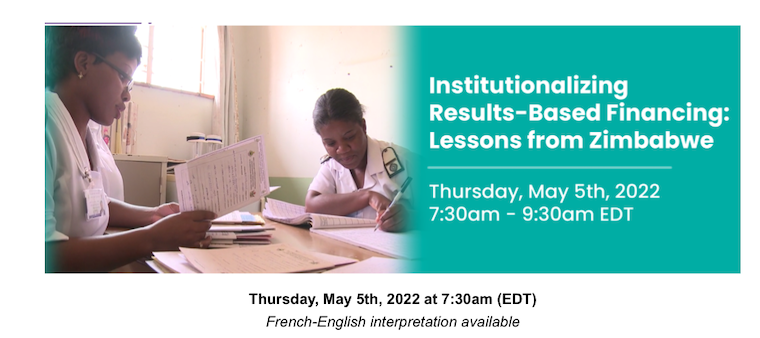
Seminar invitation: Institutionalization of Results-Based Financing: Lessons from Zimbabwe
The GFF with support from the World Bank has organised a seminar focusing on lessons learnt in institutionalizing Results Based Financing in Zimbabwe. Building on the ongoing discussion around mainstreaming results-based financing (RBF) in the health sector, this...
Health Financing Policy and Implementation in Fragile and Conflict-affected Setting: A Synthesis of Evidence and Recommendations
This paper is the product of a comprehensive review of both published and unpublished literature, and an extensive process of peer review and consultation. We extend our appreciation to the many comments we received on earlier versions of the paper at a number of...
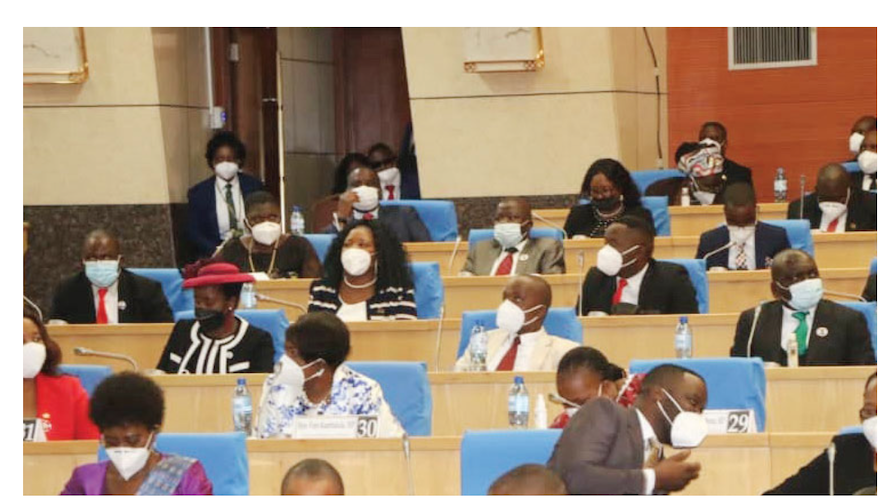
The Malawi parliament’s cluster committee on Health, HIV and Aids, and Nutrition pushes for an increase in health budget to ensure adequate financing for Universal Health Coverage.
In the budget presented by the Minister of Finance and Economic Affairs Sosten Gwengwe at the parliament earlier in March this year, the health sector was allocated the third-highest sectoral allocation behind education and agriculture, which amounts to about US$349...
Strategy for free healthcare services for pregnant and lactating women and young children in Sierra Leone
This strategy describes the implementation process of the free healthcare initiative as announced by the Sierra Leone President at the 2009 United Nations General assembly. The full document can be accessed using the link below
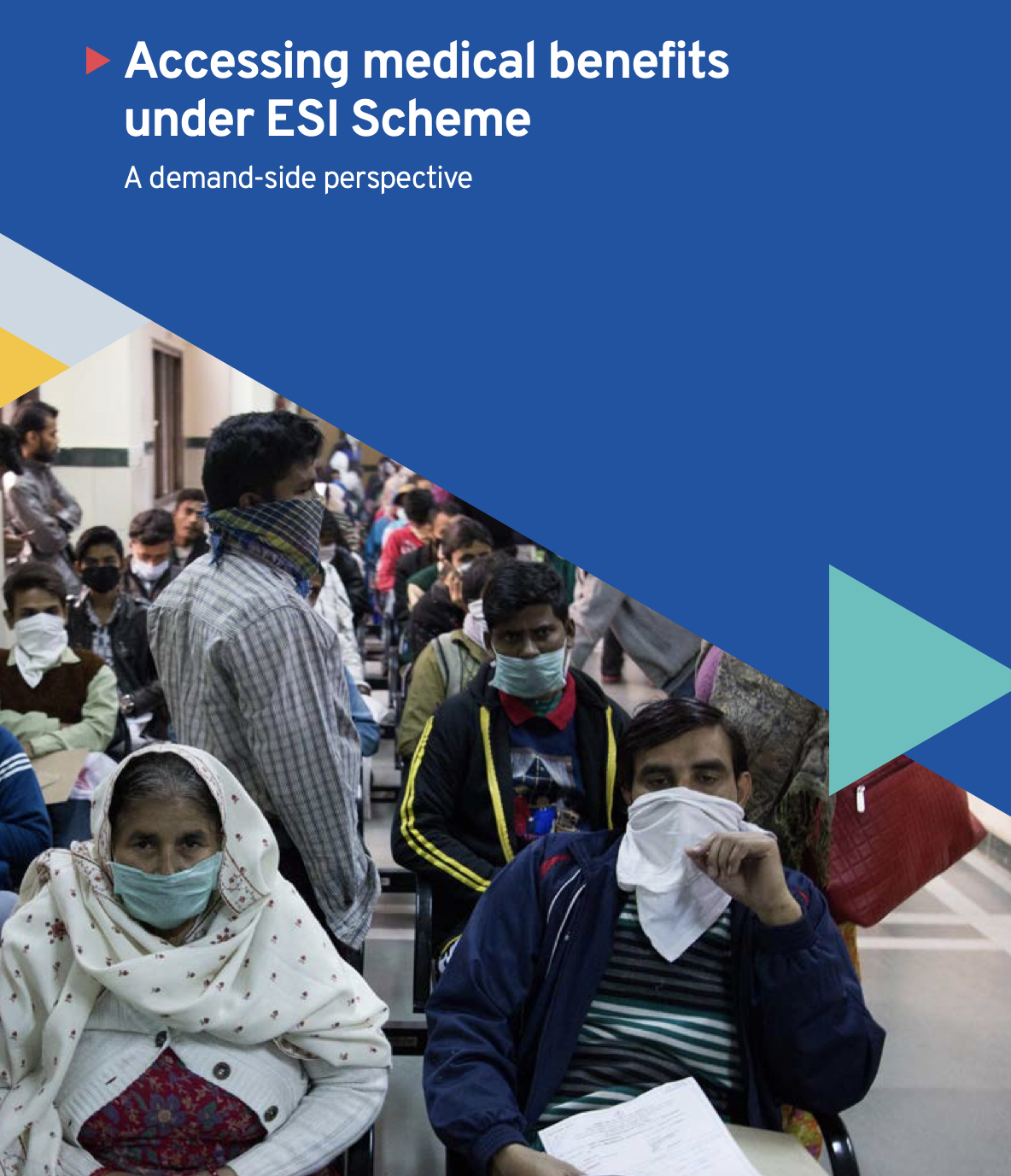
Report Launch & Panel Discussion: Accessing Health Benefits under the ESI Scheme: A Demand side perspective
Join us for the launch of the ILO Report, ‘Accessing Health Benefits Under the ESI Scheme: A Demand-side Perspective’, and a panel discussion on the views of the direct stakeholders of the ESI Scheme, on the incentives and obstacles that presently...
Somalia economic update: Investing in health to anchor growth
The sixth edition of the World Bank Somalia economic update series made several policy recommendations that would set the country up for economic recovery. These include; Investing in health and social safety nets would help improve health outcomes and human capital...
P4H Webinar on CIS #1 – ILO presentation on reform trends (16 March, 2022)
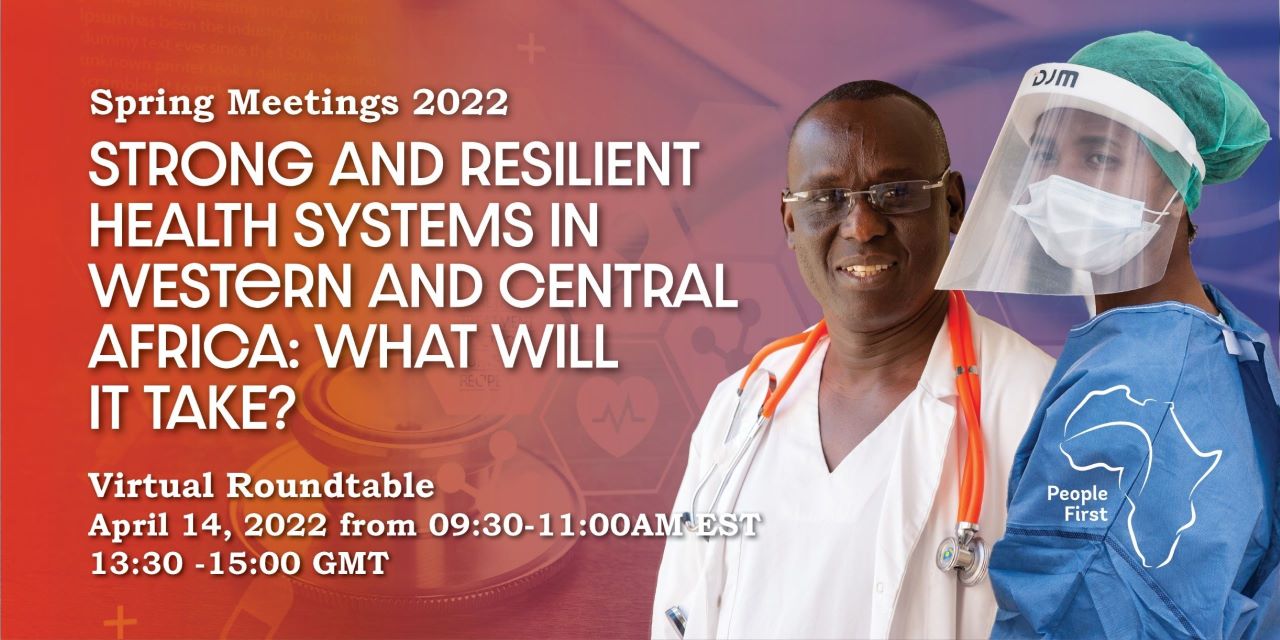
Virtual Roundtable: Strong and resilient health systems in Western and central Africa: What will it take?
The Western and Central Africa Region and the Heath Nutrition and Population Global Practice of the World Bank are jointly organizing a high level roundtable on Strong and Resilient Health Systems in West and Central Africa during the 2022 WBG-IMF Spring...